Briefly:
- Professional rodent control goes beyond removing existing pests — it targets the root causes that allow mice and rats to return.
- A structured approach combining inspection, exclusion, and ongoing monitoring is the most reliable way to stop repeat infestations.
- Pickerington homeowners benefit most from services that treat the property as a system, not just a single problem spot.
Repeat rodent infestations almost always point to an unresolved entry point, food source, or harborage condition — not a failed trap. Addressing those underlying factors is what separates a lasting solution from a temporary fix.
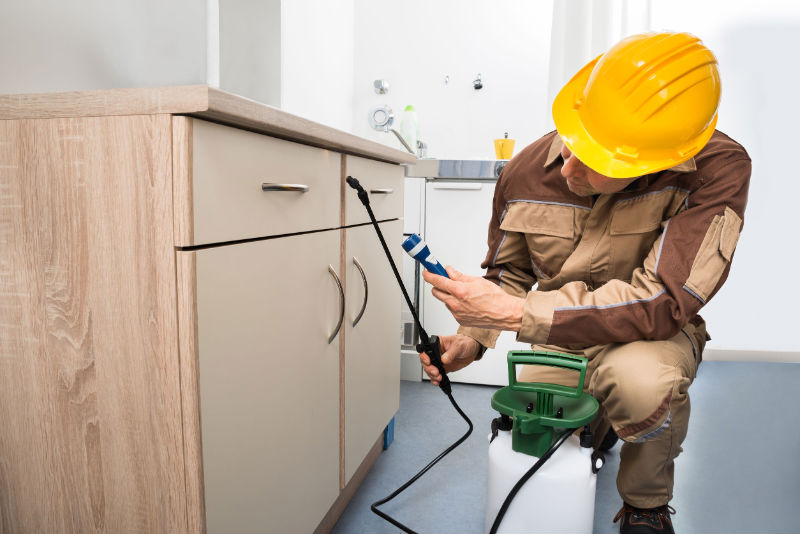
When you schedule Rodent Control Services in Pickerington, OH, a qualified technician does far more than set bait. The process begins with a thorough property inspection that maps active runways, identifies gnaw damage, locates droppings, and pinpoints every gap or crack a mouse could use to enter. Professional pest control begins with an in-depth inspection to identify potential entry points, nesting sites, and travel routes, and experts assess specific vulnerabilities around your home or property to provide a tailored rodent control plan. That diagnostic step is what makes follow-up treatments far more targeted and effective.
Why One-Time Treatments Rarely Solve the Problem
Rodents reproduce rapidly and are driven indoors by seasonal pressure, especially in fall and early winter. The best approach for rodent control takes an integrated pest management (IPM) approach that includes sanitation, exclusion, lethal control, and occupant education. Skipping any one of those layers leaves a gap that a new population can exploit within weeks.
A single bait application without exclusion work is a common reason infestations return. Sanitation removes the food and water that let a colony grow past a few individuals, and exclusion cuts the access points so new rodents cannot replace the ones you remove. Without sealing those access points, the structure stays open to re-entry regardless of how many rodents are eliminated.
Integrated pest management differs from traditional pest control because it emphasizes eliminating nesting places as well as sources of food and water for pests, and studies have proven that IPM is the most effective way to control pests in the home. The U.S. EPA’s overview of integrated pest management outlines why this multi-layer framework consistently outperforms single-tactic approaches.
The Core Methods Professional Services Use
[IMAGE 2 PLACEHOLDER – Mid-article image]
A well-structured rodent control program layers several techniques that reinforce one another. Here is how each component contributes to long-term prevention:
| Method | Primary Purpose | Why It Prevents Return |
| Property inspection | Map activity and entry points | Identifies root causes, not just symptoms |
| Structural exclusion | Seal gaps, cracks, and voids | Physically blocks re-entry |
| Trap and bait placement | Reduce active population | Targets confirmed activity zones |
| Ongoing monitoring | Detect early re-activity | Catches new pressure before it escalates |
Treatments often include a combination of methods like sealing entry points, strategically placing snap traps or bait, and installing monitoring equipment, and frequent follow-up checks ensure that the issue does not recur.
Exclusion is the most durable piece of the puzzle. Structural exclusion represents the most effective long-term strategy for rodent control, creating physical barriers that prevent entry regardless of population pressure or environmental conditions. Materials used for sealing must resist gnawing, which is why galvanized steel mesh and concrete-grade caulk are preferred over foam or basic weatherstripping.
Sanitation guidance rounds out the service. Education empowers clients to maintain rodent-free environments, and experts teach property owners about sanitation, proper food storage, and landscaping practices that deter rodents — by addressing factors like open garbage cans or overgrown vegetation, clients become partners in prevention, reducing reliance on chemical interventions.
Choosing the Right Service Frequency for Your Property
Not every property carries the same risk level. A home backing up to a wooded lot or near a creek in Pickerington faces different pressure than a mid-subdivision house. Service frequency should reflect that reality.
One-time service provides a preventative application on the interior and exterior of a home for all crawling and stinging insects, which also includes rodent control, while monthly service delivers a complete treatment once a month for crawling and stinging insects. Monthly service covers rodent control, and any return visits during the month are included at no additional cost. Quarterly options suit lower-risk properties that simply need a scheduled perimeter check to stay ahead of seasonal migration.
Regular monitoring and maintenance are key components of IPM, allowing homeowners to detect early signs of rodent activity and take action before infestations become severe. Scheduling service before fall — when rodents begin seeking warmth — is consistently the most cost-effective timing.
Frequently Asked Questions
What are the most common signs of a rodent problem in a Pickerington home? Look for droppings, gnaw marks, grease smudges, scratching noises, and unusual pet behavior near walls or hidden areas. Catching these signs early makes treatment simpler and less invasive.
Can I handle a rodent problem myself before calling a professional? DIY methods can be effective for small infestations, but if you are dealing with a large or persistent infestation, or if you are unable to identify the source of the problem, it may be time to call in the experts.
How does exclusion differ from standard pest treatment? Exclusion physically seals the structure so rodents cannot re-enter after removal. Standard treatment eliminates the current population but leaves entry points open. Both are needed for lasting results.
How often should a Pickerington property be serviced to prevent re-infestation? High-risk properties near natural areas typically benefit from monthly service, while lower-risk homes may do well on a quarterly schedule. A technician’s initial inspection is the best guide for choosing the right interval.
Ready to stop the cycle of repeat infestations? Wells Pest Control has served Central Ohio, including the Pickerington area, since 1946, offering one-time, monthly, and quarterly rodent control programs for residential and commercial properties. They provide indoor and outdoor pest control services for residential and commercial customers, and their team uses the latest in pest control equipment and offers a variety of treatment options to protect your family, home, and business against a wide range of pests. Contact Wells Pest Control at (740) 654-1403 to schedule an inspection and get a plan built around your property’s specific risk factors.